
Working from home has become increasingly common, making it essential to have a dedicated and productive workspace. Creating a home office that encourages focus and minimizes distractions can greatly improve your work efficiency and overall job satisfaction. In this post, we’ll explore practical tips to help you design a home office space tailored to your needs.
Choose the Right Location
Consider Natural Light and Quietness
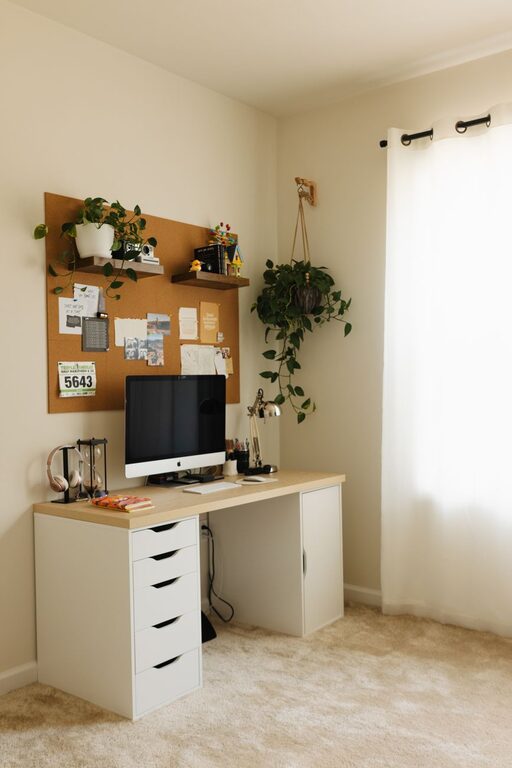
Start by selecting a spot in your home that offers plenty of natural light. Natural light helps reduce eye strain and boosts mood and energy levels throughout the day. Ideally, the location should also be quiet to minimize interruptions and background noise. If you don’t have a separate room, try to find a corner that is somewhat isolated from daily household activity.
Accessibility Matters
Think about how easily you can access your workspace. If you have to move large items every day or drag equipment back and forth, it could become frustrating. Aim for a location that allows you to set up all necessary tools and leave them ready for use.
Invest in Comfortable and Functional Furniture
Ergonomic Chair and Desk
Comfort is key when working long hours. Invest in an ergonomic chair that supports proper posture to prevent back and neck pain. The desk should be at a height that allows your arms to rest comfortably while typing or writing. Adjustable desks that allow sitting or standing work positions can add variety and health benefits to your routine.
Sufficient Surface Area and Storage
Make sure your desk offers enough surface area to hold your computer, notebooks, and any other essentials without feeling cramped. Additionally, incorporate storage solutions such as shelves, drawers, or filing cabinets to keep your supplies organized and within reach.
Organize for Efficiency
Declutter Regularly
A cluttered workspace can easily become a distraction. Keep your desk clean and only have items that you actively need on hand. Set aside a few minutes at the end of each day to tidy up your space.
Use Organizational Tools
Consider using desk organizers, drawer dividers, or storage bins to separate your supplies and documents. Labeling files and containers can make it easier to find what you need quickly and avoid wasting time searching.
Optimize Technology and Equipment
Reliable Internet and Necessary Devices
Ensure your home office has a strong and reliable internet connection, especially if your work involves video calls or large data uploads. Invest in quality hardware such as a computer, printer, or headset that meet your job requirements.
Cable Management
Manage cables and cords with clips, ties, or cable trays to avoid tangles and keep your workspace tidy. This not only improves the appearance of your home office but also reduces hazards.
Create a Work-Friendly Atmosphere
Personalize Your Space Wisely
Add personal touches like artwork, plants, or motivational quotes to make your office inviting and pleasant. Plants, for example, can improve air quality and reduce stress. However, avoid excessive decoration that could distract you from your tasks.
Control Lighting and Temperature
Flexible lighting options like desk lamps or adjustable overhead lights help you control brightness depending on the time of day. Also, maintain a comfortable temperature to keep you alert without getting too warm or cold.
Set Boundaries and Routine
Separate Work from Home Life
Treat your home office as a professional space. Let family members know your work hours and the importance of minimizing interruptions during those times.
Establish a Daily Schedule
Having a clear start time, breaks, and an end time helps maintain productivity and work-life balance. Use reminders or calendars to keep track of meetings and deadlines.
Incorporate Break and Movement Areas
If space allows, designate a small area for short breaks or stretching. This can help reduce fatigue and keep you refreshed during your workday.
—
Creating a productive home office space involves thoughtful planning to blend comfort, organization, and functionality. By following these tips, you’ll build an environment that supports your success and well-being while working from home. Remember, your workspace should reflect your work style and needs, so feel free to adapt these suggestions to suit you best.
Related Posts

Tips for Creating a Productive Morning Routine to Start Your Day Off Right
Starting your day with a productive morning routine can make…
Tips for Creating a Cozy and Functional Home Workspace
Creating a home workspace that balances comfort and functionality is…

Tips for Creating a Cozy and Inviting Living Room Space
Creating a cozy and inviting living room is a wonderful…